

Prostate cancer is one of the most common cancers among men, particularly those over the age of 50. While traditional medical treatments like surgery, radiation, and androgen deprivation therapy remain the cornerstone of managing prostate cancer, many people want to know more about the role diet and nutrition play in prostate cancer.
The prostate is a small gland located below the bladder in men and plays a role in the production of seminal fluid. Prostate cancer develops when cells in the prostate begin to grow uncontrollably. While many prostate cancers grow slowly and may not pose an immediate threat, some forms can be aggressive and spread to other parts of the body. Therefore, understanding ways to slow down the progression of the disease is crucial for improving the quality of life and outcomes for men diagnosed with prostate cancer.
Although the development of prostate cancer is multi-factorial with a strong genetic component, there has been much interest in understanding how several foods, nutrients, and dietary habits that may influence prostate cancer. By adopting a healthy, nutrient-rich diet, men can take steps to enhance and support their treatment regimen.
Key Nutrients and Foods for Men with Prostate Cancer
1. Tomatoes and Lycopene
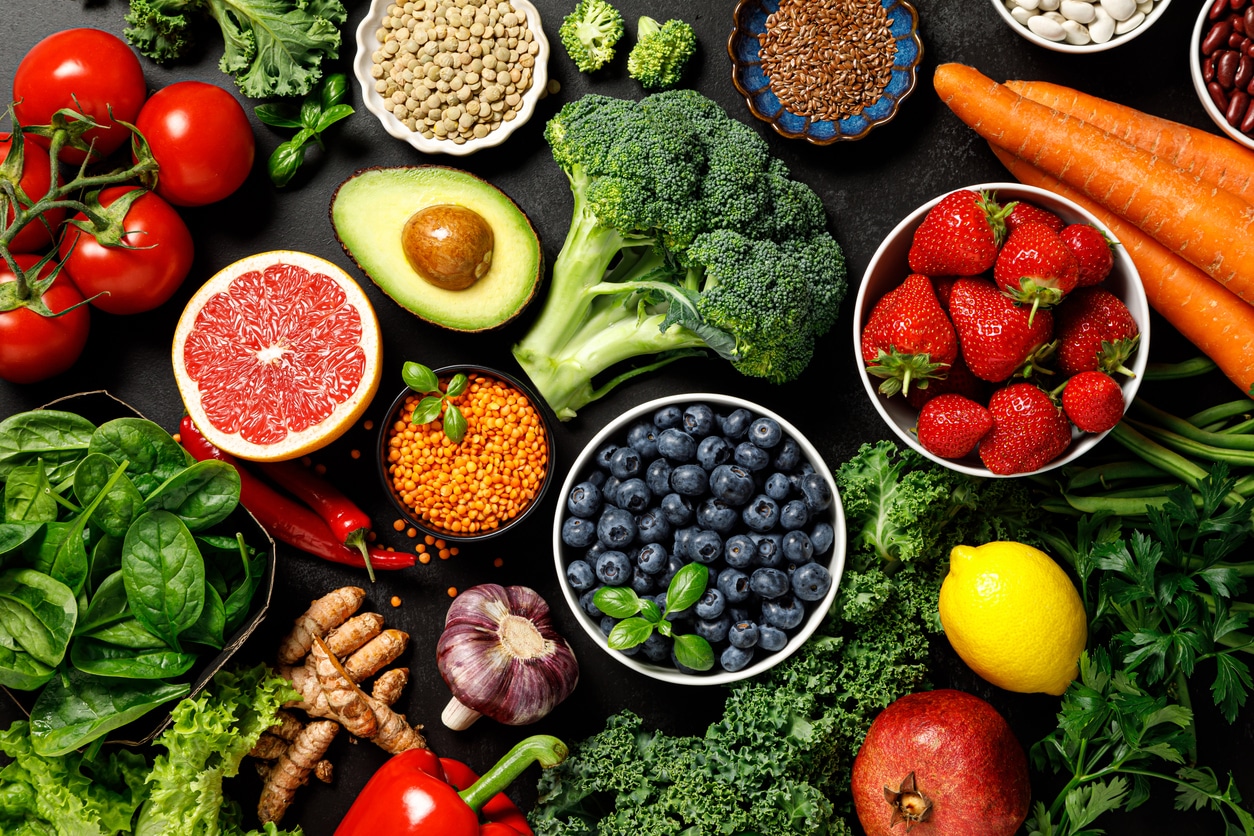
Studies have shown that lycopene, a powerful antioxidant found abundantly in tomatoes, has may be linked to a reduced risk of prostate cancer development. Lycopene helps neutralize free radicals, which are unstable molecules that can damage healthy cells and contribute to cancer development. Research suggests that lycopene, particularly when consumed through cooked tomatoes, may help slow the growth of prostate cancer cells. Other lycopene-rich foods include watermelon, pink grapefruit, and red peppers.
2. Cruciferous Vegetables
Cruciferous vegetables such as broccoli, cauliflower, kale, brussels sprouts, and cabbage are rich in compounds like sulforaphane and indoles. These compounds may be linked to reduced prostate cancer risk and enhance the body’s defense mechanisms. Studies have indicated that men who consume higher amounts of cruciferous vegetables may have a lower risk of developing prostate cancer, and these foods may also help slow the progression of existing prostate cancer.
3. Green Tea and Polyphenols
Green tea is known for its high concentration of polyphenols, particularly catechins, which have demonstrated anti-cancer properties. These compounds can help inhibit the growth of cancer cells and reduce inflammation. Research suggests that drinking green tea regularly may offer protective benefits against prostate cancer. The most notable of these catechins is epigallocatechin gallate (EGCG), which has been studied for its potential to interfere with cancer cell growth and proliferation.
4. Omega-3 Fatty Acids
Omega-3 fatty acids, found in fatty fish such as salmon, mackerel, sardines, and anchovies, as well as in flaxseeds and walnuts, have been shown to have anti-inflammatory effects and may help prevent the spread of prostate cancer. Omega-3s play a role in regulating inflammation pathways, which are often dysregulated in cancer. Several studies suggest that men with higher levels of omega-3 fatty acids in their blood may have a lower risk of developing aggressive prostate cancer.
5. Vitamin D
Vitamin D, obtained through sunlight exposure and certain foods like fortified milk and fatty fish, plays a vital role in cellular growth and immune function. Research has suggested a link between low vitamin D levels and an increased risk of prostate cancer. Some studies indicate that adequate vitamin D levels may help slow the progression of prostate cancer, potentially by enhancing the body’s immune response and influencing cancer cell death. Ensuring optimal vitamin D levels through diet or supplementation may be beneficial for men with prostate cancer.
6. Soy and Isoflavones
Soy products, including tofu, tempeh, soy milk, and edamame, are rich in isoflavones, plant-based compounds that have been shown to have potential anti-cancer effects. Isoflavones, particularly genistein, may help reduce the growth and spread of prostate cancer cells. Several studies have suggested that a diet rich in soy products may reduce the risk of prostate cancer and may also be beneficial for men undergoing prostate cancer treatment. However, more research is needed to fully understand the role of soy in prostate cancer prevention and management.
7. Nuts and Seeds
Nuts and seeds, particularly almonds, walnuts, and flaxseeds, are excellent sources of healthy fats, fiber, and antioxidants. These foods have been linked to a lower risk of various types of cancer, including prostate cancer. Walnuts, for example, contain polyunsaturated fats and a variety of antioxidants that may help reduce inflammation and slow cancer cell proliferation. Flaxseeds are rich in lignans, compounds that may help regulate hormone levels and reduce the risk of hormone-driven cancers like prostate cancer.
8. Pomegranate
Pomegranate is a fruit rich in antioxidants, particularly punicalagins and anthocyanins, which have shown promise in slowing prostate cancer growth. Some studies suggest that pomegranate juice may help inhibit the growth of prostate cancer cells and reduce the risk of cancer recurrence after treatment. Drinking pomegranate juice or consuming the fruit regularly may be a beneficial dietary strategy for men with prostate cancer.
Diet & Lifestyle Tips to help Prevent Prostate Cancer
In addition to incorporating specific foods, adopting an overall healthy lifestyle through diet and exercise is beneficial to the overall management of prostate cancer. Here are some general dietary guidelines:
- Limit red meat and processed meats: Reducing the consumption of red meat and processed meats like bacon, sausages, and hot dogs may help lower cancer risk. These foods have been linked to an increased risk of various cancers, including prostate cancer.
- Increase fiber intake: A diet high in fiber, from whole grains, fruits, and vegetables, can support overall health, improve digestion, and reduce inflammation, all of which are important in cancer management.
- Reduce sugar and refined carbohydrates: Excess sugar and refined carbs can lead to obesity and insulin resistance, both of which are associated with an increased risk of cancer. Limiting these foods can help maintain a healthy weight and reduce inflammation.
- Stay hydrated: Drinking plenty of water throughout the day helps support overall health and can assist in the detoxification process.
A well-balanced diet rich in specific nutrients and foods, can support overall health, and improve the quality of life for those living with the disease. It’s essential for men diagnosed with prostate cancer to work with their doctor to develop a treatment plan with conventional therapies but also understand how diet and health may complement their chosen treatment plan. By making informed dietary choices, men can take an active role in managing their prostate health.