

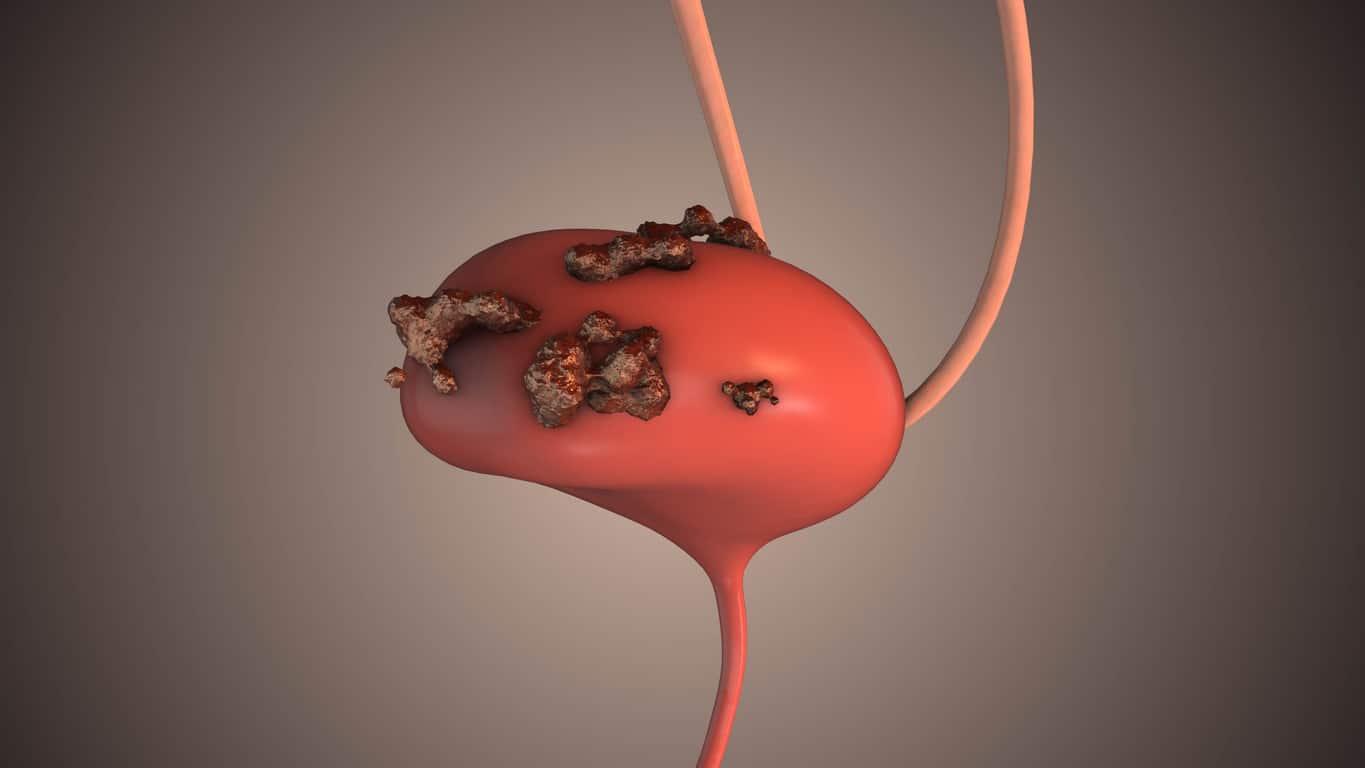
Being diagnosed with bladder cancer can be overwhelming, but today’s patients have more reason than ever to feel hopeful. Advances in research, new therapies, and specialized care centers like the Conrad Pearson Clinic in Memphis are transforming the way bladder cancer is detected, treated, and managed.
The Main Types of Bladder Cancer
Bladder cancer is classified both by risk level and extent of invasion into the bladder wall.
Non-Muscle Invasive Bladder Cancer (NMIBC) means the cancer has not yet invaded the bladder muscle. Within NMIBC, there are three main categories:
- Low-Risk Bladder Cancer
- Often described as “nuisance tumors.”
- About 90% of patients will experience recurrence at some point, but only 5% will progress to a dangerous stage.
- These tumors rarely become life-threatening but require lifelong monitoring with cystoscopy every 3–6 months.
- Without treatment, repeated growths can cause serious bladder function problems—much like weeds overtaking a garden.
- Intermediate-Risk Bladder Cancer
- Falls between low and high risk, requiring more vigilant surveillance.
- Clinical trials often benefit these patients.
- A recently approved option is Zusduri, a chemotherapy gel placed directly into the bladder, slowly dissolving over 6–8 hours to coat the bladder lining and help prevent recurrence.
- High-Risk Bladder Cancer
- Involves deeper invasion into the bladder’s superficial layers, creating a significant risk (20–30%) of progression to muscle-invasive disease.
- Standard treatment starts with BCG therapy—weekly bladder instillations for 6 weeks.
- If BCG fails (BCG-refractory disease), patients may be offered in-bladder chemotherapy or even bladder removal for the best chance at a cure.
Muscle-Invasive Bladder Cancer
When cancer penetrates the bladder muscle, treatment options include:
- Bladder removal (cystectomy) with either:
- An external urine collection bag, or
- A “neobladder” created from a segment of intestine.
- Chemotherapy and radiation for bladder preservation in select cases, though side effects can be significant and long-lasting.
New and Emerging Treatments on the Horizon
The past decade has brought a wave of promising therapies, many of which are available through the Infusion Clinic and Advanced Kidney and Bladder Cancer Center at Conrad Pearson:
- Adstiladrin® – Immunotherapy delivered directly into the bladder every three months, teaching the bladder to produce anti-cancer agents.
- Anktiva® – A BCG “super booster” that enhances BCG’s effectiveness.
- TAR-200 – An innovative device shaped like a small pretzel that slowly releases chemotherapy inside the bladder for up to three weeks (pending FDA approval).
- Keytruda® (pembrolizumab) – An intravenous immunotherapy used after BCG failure, helping the immune system target cancer cells.
- Other Clinical Trial Drugs – Several new agents are in late-stage trials and could become available within the next year.
Because these therapies are administered directly into the bladder, they typically cause fewer systemic side effects, with the most common being mild burning, blood in the urine, and temporary fatigue.
Why Choose Conrad Pearson Clinic
Dr Ravi Chauhan is passionate about the treatment of bladder cancer and heads up the Advanced Kidney and Bladder Cancer Clinic at Conrad Pearson. He is regional a leader in the treatment of bladder cancer and has been featured nationally as a speaker and a resource to help other experts understand the process of providing coordinated and data-driven care for these pateints. The Conrad Pearson Clinic is the first advanced bladder cancer clinic in the region and the only center in Memphis with an organized, standardized approach across a network of physicians and advanced practice providers.
This means:
- Access to the newest, most cutting-edge treatments.
- Collaboration with specialty networks to ensure therapies are approved and available quickly.
- Care coordinated by nationally recognized leaders, such as Dr. Chauhan, who regularly speaks at national conferences and partners with industry experts.
A Message of Hope
While low-risk bladder cancer is rarely life-threatening, high-risk and muscle-invasive disease require prompt, aggressive care. With today’s expanded treatment options, patients have more paths to recovery and long-term health than ever before. At Conrad Pearson, every patient benefits from a comprehensive, personalized approach—backed by the latest science and delivered with compassion.
For more information and to read patient stories, visit the Bladder Cancer Advocacy Network (BCAN) at bcan.org.