

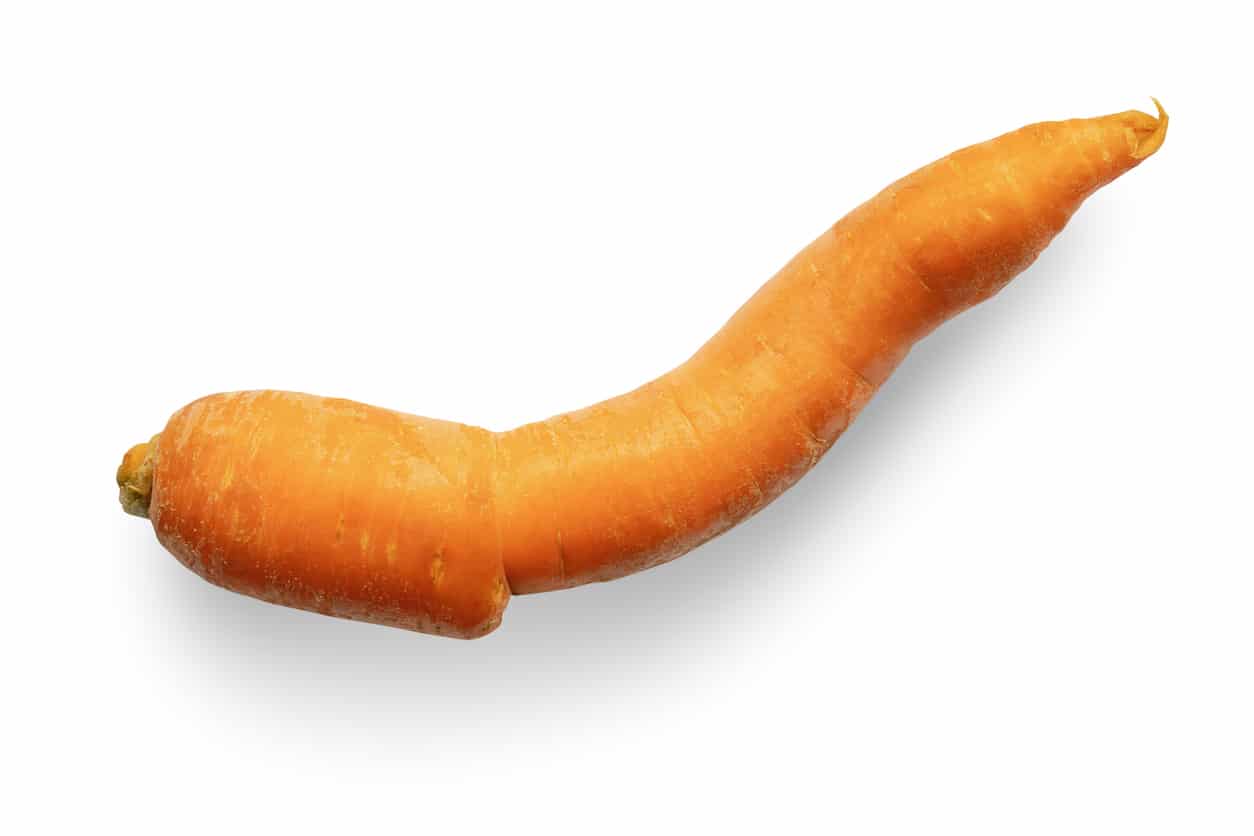
Peyronie’s Disease and erectile dysfunction (ED) are two conditions that can significantly affect a man’s quality of life—physically, emotionally, and sexually. While they can exist independently, many men with Peyronie’s Disease also experience ED, and the two conditions are often closely linked. Understanding this connection is important for timely diagnosis, effective treatment, and restoring confidence in intimacy.
Peyronie’s Disease is a condition where scar tissue (also called plaque) forms under the skin of the penis, typically in the tunica albuginea, the tough sheath surrounding the erectile tissue. This scar tissue causes the penis to bend or curve during an erection. In some cases, the curvature is mild, but in others, it can be severe enough to cause pain or prevent penetration during intercourse.
Erectile dysfunction is the inability to get or maintain an erection sufficient for satisfactory sexual intercourse. ED can result from a wide range of causes—vascular, neurological, hormonal, psychological—or from structural problems like those found in Peyronie’s Disease.
How Common Is ED in Men with Peyronie’s Disease?
Studies estimate that over 50% of men with Peyronie’s Disease also experience some form of erectile dysfunction. The risk increases with age and with the severity of the penile curvature.
How Are Peyronie’s Disease and ED Connected?
The relationship between Peyronie’s Disease and erectile dysfunction is both physical and psychological. In fact, there are even some theories that insufficient rigidity of erections may put one at risk for microtrauma and plaque formation. Below are some of the ways that Peyronie’s and erectile dysfunction are related:
1. Structural Changes to the Penis
The scar tissue that forms in Peyronie’s Disease reduces the elasticity of the penile tissue, making it more difficult for the penis to expand properly during an erection. This can lead to:
- Partial erections (hour glass deformity)
- Decreased rigidity
- Shortened penile length
2. Blood Flow Obstruction
In more advanced cases, the plaque can impair blood flow within the penis. Since erections rely on healthy blood flow to the corpora cavernosa (erectile chambers), any disruption can contribute to erectile dysfunction.
3. Pain During Erection
Pain is a common symptom in the early phase of Peyronie’s Disease. If an erection becomes painful, men may avoid sexual activity altogether, which can lead to psychological ED over time.
4. Psychological Impact
The visible deformity, performance anxiety, or loss of self-esteem related to Peyronie’s Disease can also cause or worsen ED. Emotional stress and anxiety are well-known contributors to erectile dysfunction, especially when a man becomes worried about how his body looks or functions.
How Common Is ED in Men with Peyronie’s Disease?
Studies estimate that over 50% of men with Peyronie’s Disease also experience some form of erectile dysfunction. The risk increases with age and with the severity of the penile curvature.
Treatment Options for Men with Peyronie’s and ED
The good news is that both Peyronie’s Disease and ED are treatable. Often times a combination of therapies are used to treat both ED and Peyronie’s. For severe cases, a penile implant is the gold standard for treating both PD and ED.
It is important that you have a personalized treatment plan and that may include:
Oral Medications
- PDE5 inhibitors (like Viagra or Cialis) may help improve erections in some men, although they are less effective when Peyronie’s is causing severe curvature or structural rigidity.
Injectable Therapies
- Intralesional injections like Collagenase Clostridium histolyticum (Xiaflex) can break down scar tissue and reduce curvature.
- Penile injection therapy can also be used to enhance blood flow and support erections.
Vacuum Erection Devices (VEDs)
These devices may help stretch the penile tissue and improve blood flow, especially in early stages or in conjunction with other therapies.
Surgery
For men with severe curvature and erectile dysfunction, surgical options like penile plication, plaque incision and grafting, or penile implants can provide both straightening and functional erections.
Psychological Support
If stress, anxiety, or depression is playing a role, counseling or sex therapy may be helpful in combination with medical treatments.
When to See a Specialist
If you’re noticing changes in your erections, penile curvature, pain, or emotional distress related to your sexual function, it’s important to see a urologist—preferably one who specializes in men’s sexual health. Early evaluation can lead to better outcomes, less invasive treatments, and preserved sexual function.
Peyronie’s Disease and erectile dysfunction are deeply intertwined. One can cause or worsen the other, creating a cycle of physical and emotional challenges. But with the right diagnosis and a customized treatment approach, most men can regain both comfort and confidence in their sexual health.
If you’re experiencing symptoms of Peyronie’s Disease or ED, our clinic offers expert diagnosis and a full spectrum of treatment options. Dr. Michael Granieri is an expert in treating both Peyronie’s disease and ED and can offer real solutions to address your concerns through our Men’s Health Center of Excellence. Contact us today to schedule a private consultation.